The Becauze take
The reason this matters
For a first camping trip, prioritize systems that help you navigate, stay hydrated, handle weather, treat minor injuries, see after dark, repair basic equipment, and cope with an unexpected delay. Add comfort-oriented gear only after the destination, activity, weather, rules, and emergency plan are clear.
At a glance
What to know first
- Build the kit around the trip and destination, not around a generic shopping list.
- Cover navigation, sun protection, extra clothing, illumination, first aid, fire, repair tools, extra food, hydration, and emergency shelter before adding comfort upgrades.
- Bring a physical map backup, extra phone power, extra clothing, extra food, and lighting with extra batteries.
- Use a pre-made first-aid kit as a starting point, then adapt it for the trip and personal medical needs.
- Check local fire rules and destination guidance before carrying out any campfire plan.
- The supplied Walmart page is a generic camping-essentials search destination; it does not verify specific products, prices, ratings, or availability.
The checklist
Shop each essential
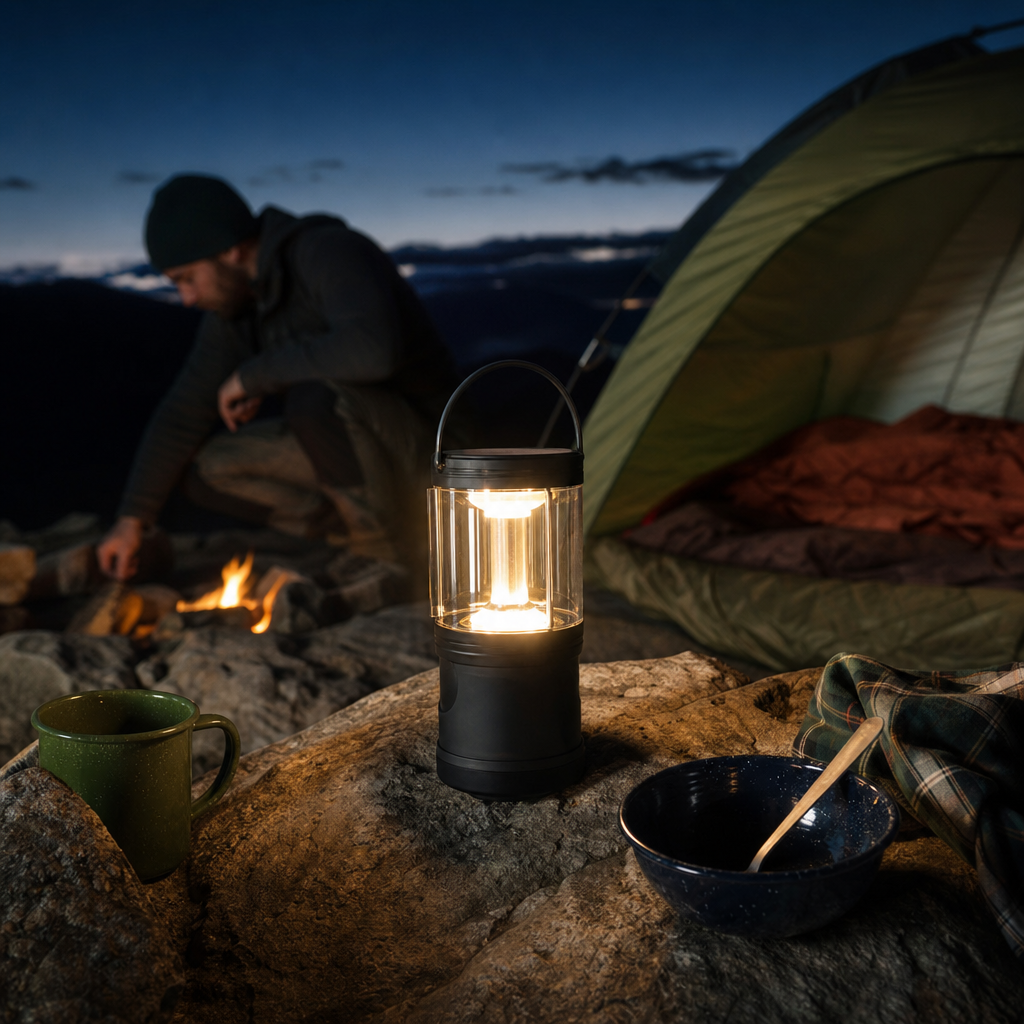
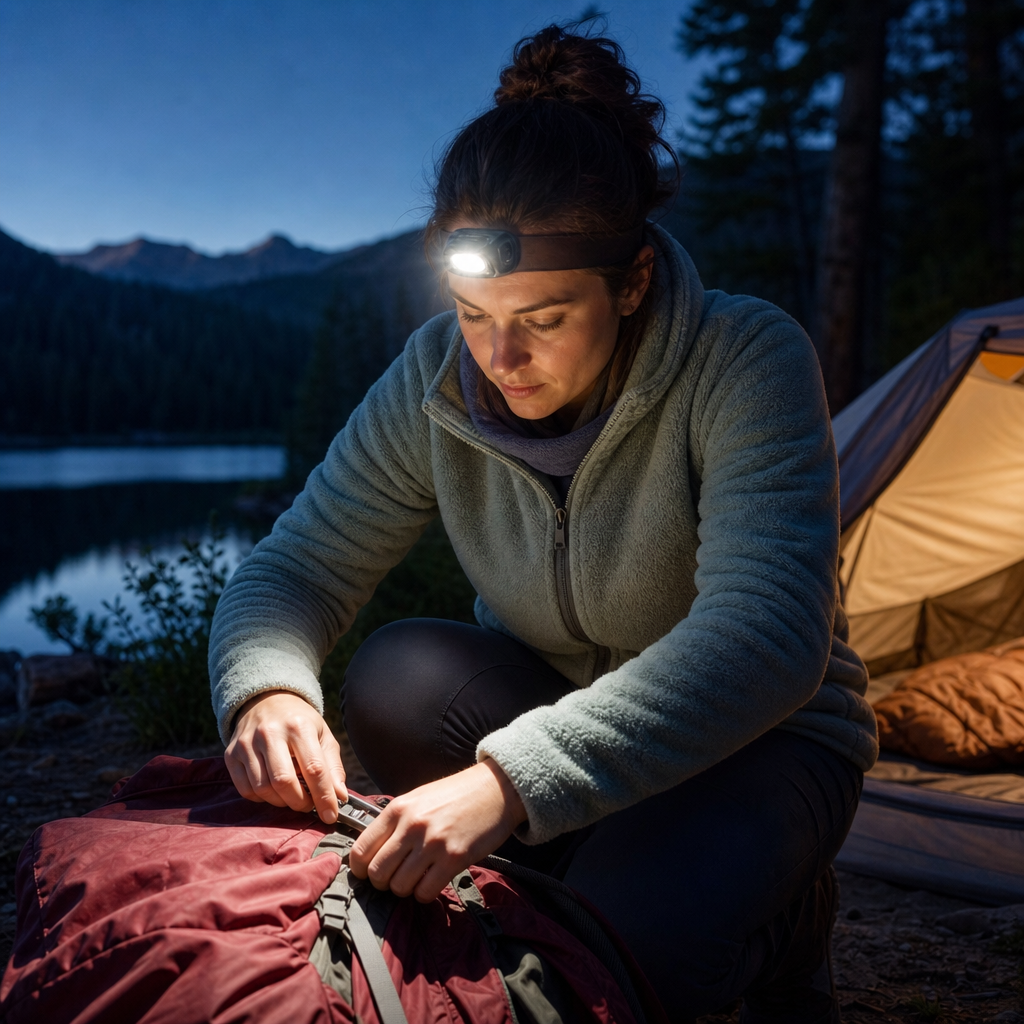
Prices, sellers and availability can change. Each link opens the corresponding shopping category at the retailer shown on the card.
Decision guide
First-weekend camping priorities by system
| System | What to look for | Why it matters | Verify before buying | Where to check |
|---|---|---|---|---|
| Navigation | Map, compass, and an appropriate GPS or downloaded map | Helps with route planning and orientation if plans change | That you know how to use the method and have a physical-map backup | Check on Walmart ↗ |
| Sun protection | Sunglasses, sunscreen, hat, or sun-protective clothing | Helps protect skin and eyes from UV exposure | The destination’s exposure and the protection appropriate to the activity | Check on Bass Pro Shops ↗ |
| Extra clothing | Layers such as a jacket, rain shell, hat, or gloves | Prepares for sudden weather changes and exposure | The most extreme reasonable conditions and visibility needs | Check on Cabela's Program ↗ |
| Illumination | Flashlight or preferably a headlamp, plus extra batteries | Provides light after dark and may help signal for help | Battery needs and whether the light is usable hands-free | Check on Walmart ↗ |
| First aid | Pre-made first-aid kit modified for the trip | Supports response to minor injuries and personal medical needs | Expiration dates, contents, medications, and trip suitability | Check on Bass Pro Shops ↗ |
| Fire | Waterproof matches or lighter and fire starters | Can provide heat, cooking support, or an emergency signal | Local fire-use regulations and safe-use instructions | Check on Cabela's Program ↗ |
| Repair tools | Duct tape, knife, scissors, multi-tool, and activity-specific tools | Helps address equipment problems and practical needs | Whether each tool is allowed and genuinely relevant to the trip | Check on Walmart ↗ |
| Nutrition | Extra food, preferably no-cook options with good nutritional value | Provides a buffer for delays or changed plans | Food tolerance, storage, and the need for an extra day’s supply | Check on Bass Pro Shops ↗ |
| Hydration | Water plus water-treatment supplies when needed | Helps prevent dehydration and supports contingency planning | Water sources, treatment instructions, and destination conditions | Check on Cabela's Program ↗ |
| Emergency shelter | Tent, tarp, bivy, or emergency space blanket as appropriate | Provides protection from severe weather and exposure | What shelter the trip already provides and what backup is needed | Check on Walmart ↗ |
1. Start with the trip, not the shopping cart
A first weekend camping kit should be built around the actual outing. The National Park Service says the Ten Essentials are important items that can help during minor injuries, sudden weather changes, or unexpected emergencies, but it also notes that additional items may be needed depending on the activity. Examples include a life jacket, bug spray, or a two-way satellite messaging device.
That distinction matters because “camping” can describe very different plans. A short, organized campground stay, a hike to a remote site, and a trip involving water or strenuous activity do not create the same needs. Before buying, check the specific park or destination website, learn the route and conditions, and make a plan for the activity. The NPS also recommends telling someone where you are going and when you expect to return.
The supplied Walmart destination is a search page for beginner camping essentials. It does not verify a particular tent, light, first-aid kit, stove, or other SKU. It also does not provide a verified price, product specification, rating, or availability claim in the supplied evidence. Use it as a place to browse categories, then compare each item against the criteria below.
2. Buy or assemble the safety systems first
The NPS organizes the Ten Essentials into ten systems rather than treating them as a rigid checklist of branded products. That is a useful approach for beginners: the goal is to cover each practical function, not to collect the most accessories. Some systems can be combined in a small kit, while others require decisions about the route, weather, and activity. A first purchase should address the systems that would be difficult to replace if plans change.
The priority systems for most first outings are navigation, hydration and water treatment, extra clothing, illumination, first aid, extra food, and emergency shelter. Fire and repair tools are also part of the framework, although their exact role depends on local rules and the type of trip. Sun protection is easy to overlook because it is associated with comfort, but the NPS identifies it as protection for skin and eyes against UV exposure.
3. Navigation: carry a backup you know how to use
For navigation, look for a physical map and a compass, along with an appropriate GPS system when relevant to the route. The NPS emphasizes knowing how to use a topographical map, compass, or GPS unit before going out. A device is not a substitute for preparation if you do not understand the route or the tool.
A phone may be useful for navigation when the map has been downloaded in advance, and the NPS mentions the NPS app or a downloaded map as options. However, the same guidance says to bring a physical map as a backup and pack an extra phone battery. When comparing items on a shopping page, prioritize a map that matches the destination and a navigation method you can practice before leaving. The key question is not whether a device has an impressive feature list; it is whether you can still orient yourself if the phone battery runs low or conditions change.
4. Hydration and nutrition: plan for more than the ideal itinerary
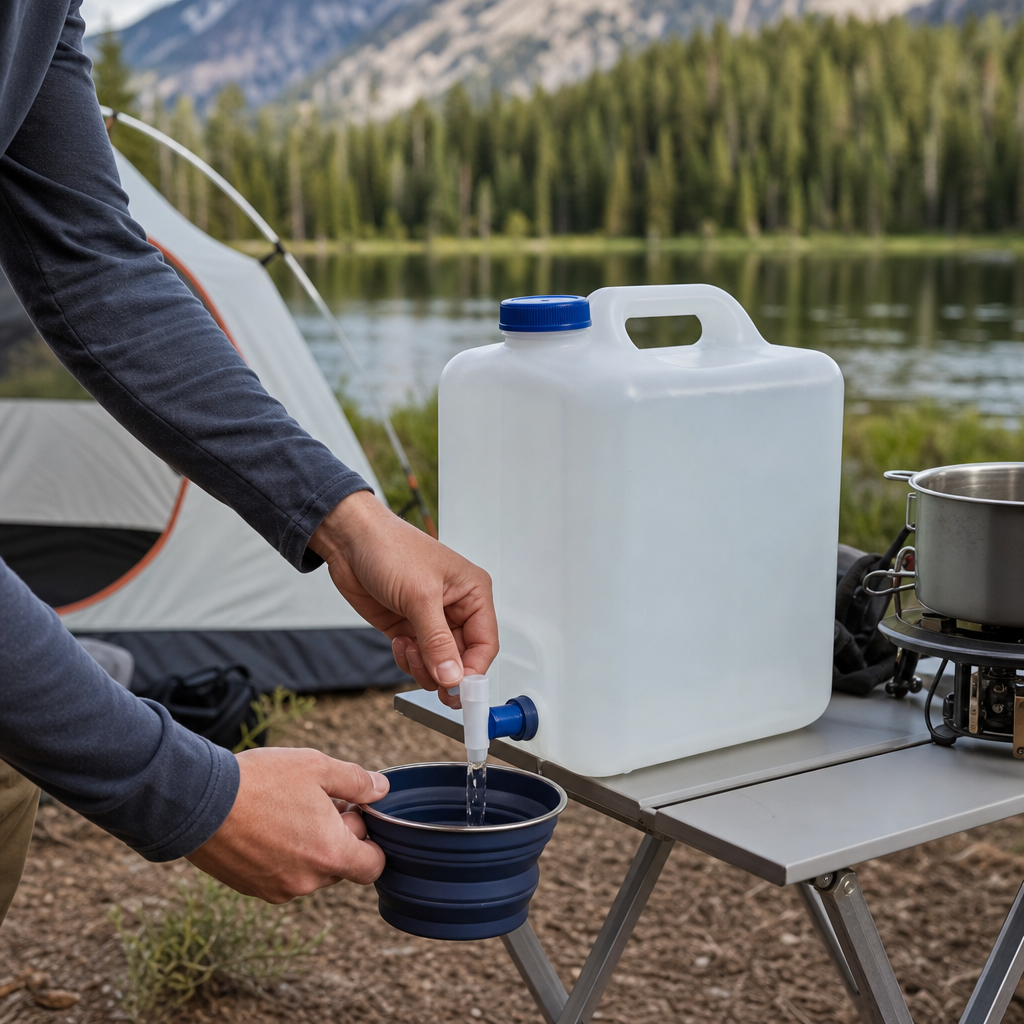
Hydration is one of the clearest first-trip priorities. Look for a way to carry water and, if the destination requires it, supplies for treating water. The NPS advises identifying before the trip whether there are bodies of water at the destination that could be collected from and treated. That does not mean every water source is suitable or that treatment is optional; it means the water plan should be decided before you need it.
The NPS also advises drinking often and before feeling thirsty during outdoor activity, particularly in hot weather. The right capacity and treatment approach depend on the trip, so the supplied evidence does not support a universal container size or a specific purification method. Verify the destination’s water access, the activity level, and the instructions for any treatment product before buying.
For nutrition, pack extra food rather than only the amount needed for the planned schedule. The NPS recommends an extra day’s supply, preferably no-cook foods with good nutritional value, and gives trail mix, nuts, and granola bars as examples of easy-to-digest, salty options. This is a resilience purchase: extra food can help if a route takes longer or plans change. It is not necessary to begin with a large cooking setup if no-cook food meets the trip’s needs.
5. Shelter and clothing: prepare for the worst reasonable conditions
Emergency shelter is separate from ordinary sleeping comfort. The NPS lists a tent, space blanket, tarp, or bivy as lightweight emergency-shelter options and describes shelter as one of the most important elements in an emergency survival situation. When browsing, first establish what shelter the trip already provides and what backup is needed if weather or timing changes.
Extra clothing should reflect the most extreme conditions you could encounter, not only the forecast at departure. The NPS lists a jacket, hat, gloves, rain shell, and other layers, and recommends bright clothing to make someone easier to see if search and rescue is needed. A beginner should therefore look for layering and weather protection before buying specialized comfort apparel.
Because the evidence does not provide a forecast, climate, campsite type, or product specifications, it would be misleading to name a universal fabric, insulation level, or garment count. Verify the expected weather and exposure, then choose layers that address rain, cold, sun, and visibility as appropriate for that destination.
6. Illumination and first aid: small items with an outsized role
For illumination, the NPS identifies flashlights and headlamps and recommends headlamps as the hands-free light source. Look for a light that can help you move around after dark or signal for help, and bring extra batteries. The evidence does not establish a required brightness rating or runtime, so those figures should not be treated as universal buying thresholds here.
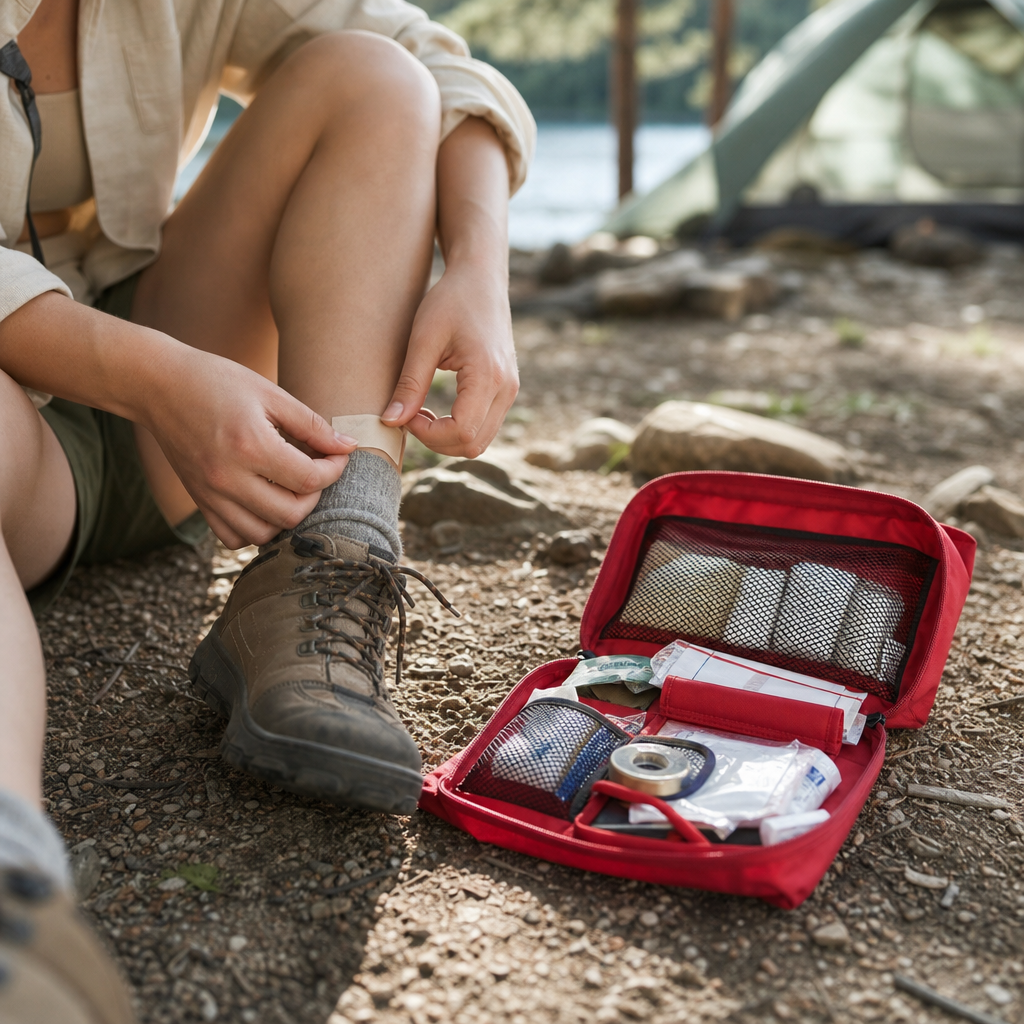
For first aid, begin with a pre-made kit and modify it for the trip and your medical needs. Check expiration dates and replace items as needed. Include personal medications that you regularly take, and consider an emergency guide for an unfamiliar medical situation. A first-aid kit is not a replacement for knowing the route, sharing an itinerary, or seeking appropriate help; it is one part of the broader preparation system.
When reviewing a kit, look for whether it can be adapted rather than assuming the largest kit is automatically the best choice. The important supported criteria are supplies for minor injuries, space for personal medications, current contents, and a size appropriate to the outing. The NPS excerpt does not specify a universal list of medical items, so do not infer one from a product title alone.
7. Fire and repair tools: check rules before packing
The fire system can include matches, preferably waterproof, or a lighter and fire starters. The NPS says fire can serve as an emergency signal and a heat source for cooking and staying warm. It also specifically advises becoming familiar with local fire-use regulations before heading out. A fire-starting item is therefore not permission to build a campfire wherever you choose.
Repair tools can include duct tape, a knife, scissors, and a multi-tool. The NPS describes a multi-tool as a small tool that may include a knife, screwdriver, and can opener, and says to bring tools specific to the trip and activity. It also identifies a trowel and toilet paper as potentially important. These details support a compact, purpose-driven repair kit rather than a large collection of tools.
Before buying, ask what equipment could fail and what repair would be possible with a small kit. Then verify destination rules for fires, waste, and tool use. The supplied evidence does not support a claim that any particular multi-tool, lighter, knife, or fire starter is permitted everywhere.
8. What can wait: comfort upgrades and specialized extras
The NPS guidance does not create a universal “comfort gear” category, but its system-based approach helps identify what should come before optional upgrades. If you have not yet covered navigation, hydration, weather layers, illumination, first aid, extra food, and emergency shelter, a decorative accessory or convenience item is unlikely to solve the most important preparation gap.
Specialized items should be added when the activity calls for them. The NPS specifically mentions a life jacket, bug spray, and a two-way satellite messaging device as examples of additional items that may be needed depending on the activity. Those examples should not be read as requirements for every weekend trip, nor should their absence be treated as proof that a trip is unsafe. They show why the destination and activity need to be assessed before shopping.
A sensible sequence is to cover the ten systems, test how the items work together, and then add comfort or convenience purchases. Practice using the map, compass, GPS method, headlamp, water-treatment supplies, and emergency equipment before departure. This reduces the risk of discovering at the campsite that a tool is unfamiliar or a battery is missing.
9. A practical order for comparing Walmart search results
Because the supplied Walmart link is a generic search destination rather than a verified product page, compare any results by function and evidence. First, confirm that the listing describes the system you need. Next, check the product’s instructions, compatibility with your activity, maintenance requirements, and any stated limitations. Then verify that the item fits the destination’s rules and your ability to use it.
Do not treat a search result as proof that a specific product is currently in stock, suitable for a particular park, or endorsed by the NPS. The supplied evidence contains no verified product links and no product-level facts. It supports a category-level shopping approach: search for the function, inspect the individual listing, and confirm the details before purchase.
Finally, make a written trip plan. Include the route, expected return time, weather considerations, water plan, emergency contacts, and any park-specific guidance. The NPS encourages trip planning, health and safety preparation, and Leave No Trace practices. Shopping is only one part of that preparation.
Before you buy
What to verify
- No verified product links were supplied, so this draft does not name products, brands, models, prices, ratings, specifications, or availability.
- The Walmart search destination does not establish that any particular item is in stock or appropriate for a specific destination.
- The NPS guidance is a general framework; the appropriate kit depends on the activity, route, weather, destination rules, water access, and medical needs.
- The source does not provide universal quantities, capacities, brightness ratings, battery runtimes, clothing materials, or treatment methods.
- The source excerpt identifies the NPS article as last updated May 28, 2026; readers should check the current destination or park guidance before traveling.
Reader questions
Frequently asked questions
The National Park Service organizes them into navigation; sun protection; extra clothing; illumination; first-aid supplies; fire; repair kit and tools; extra food; hydration; and emergency shelter. The items within each system should be adapted to the destination and activity.